General Contracting Solutions in Denver for Residences, Workplaces, as well as Industrial Areas
Denver has a particular way of testing a building. Sunlight pours through a south-facing window in January and fades the wrong flooring faster than anyone expects. A spring snowstorm can arrive after patio furniture has already come out. Dry air moves through framing and millwork differently than it does on the coasts. Clay soils shift. Older neighborhoods hide generations of renovations behind plaster, brick, and trim. New commercial districts demand speed, polish, code discipline, and a high tolerance for coordination.
That is why general contracting services in Denver require more than a capable crew and a truck full of tools. The best work here comes from a contractor who understands architecture, weather, permitting, sequencing, finish standards, neighborhood constraints, and the practical realities of living or operating through construction. Whether the project is a custom home renovation in Hilltop, a refined office build-out in Cherry Creek, or a commercial refresh near RiNo, the difference between ordinary and exceptional often lies in the management of details no one sees once the space is complete.

A luxury project does not simply look expensive. It feels composed. Doors close with the right weight. Tile lines land where the eye expects them. Lighting scenes make evenings feel intentional. Conference rooms support technology without visible clutter. A restaurant entry welcomes guests before the host says a word. Achieving that level of finish depends on the discipline of experienced Denver general contractors who can translate vision into construction without losing elegance along the way.
What a general contractor truly manages
A general contractor is often described as the person who “runs the job,” but that phrase understates the role. A seasoned Denver general contractor protects the owner’s budget, schedule, design intent, site safety, trade coordination, material quality, and long-term value. When the work is done well, the client experiences clarity instead of chaos.
On a residential project, that may mean synchronizing demolition, structural work, mechanical systems, windows, cabinetry, stone, flooring, paint, and final detailing while the family is temporarily living elsewhere or occupying part of the home. On an office project, it may mean coordinating with the building owner, property manager, architect, engineer, furniture vendor, low-voltage installer, security provider, and city inspector without interrupting neighboring tenants. In commercial construction, the layers multiply quickly. Health department requirements, fire ratings, accessibility, grease interceptors, hood systems, occupancy limits, signage rules, and utility upgrades all come into play.
This is where professional contracting services Denver clients can trust become indispensable. A contractor’s value is not only in hiring trades. It is in knowing which trade belongs on which project, when to bring them in, how to read the risk in a set of drawings, and when a specification needs to be questioned before it becomes an expensive field problem.
The strongest general contracting firms Denver has to offer tend to share one trait: they are fluent in both the language of construction and the language of ownership. They can discuss load paths and finish carpentry in the morning, then explain allowances, lead times, and change orders to a client in plain English that afternoon.
Denver homes: renovation with restraint, confidence, and permanence
Residential construction in Denver spans a wide range, from century-old bungalows in Washington Park to contemporary homes in Sloan’s Lake, from Tudor revivals in Park Hill to expansive properties in Cherry Hills and Greenwood Village. Each home brings its own personality, and the best remodeling respects that personality rather than flattening it.
A luxury home renovation should not feel like a showroom dropped into an old structure. It should feel inevitable, as though the new kitchen, expanded primary suite, wine room, mudroom, or outdoor living area always belonged there. That requires sensitivity from the contractor. In older homes, walls are rarely as straight as new drawings suggest. Floor systems may need reinforcement. Existing plumbing might not support a new fixture plan without careful rerouting. Electrical service may need an upgrade, particularly when adding induction cooking, heated floors, EV charging, or more sophisticated lighting controls.
Good Colorado general contractors anticipate these discoveries. They build investigative steps into preconstruction rather than pretending unknowns do not exist. Before a major remodel begins, selective exploratory openings can reveal framing conditions, pipe locations, insulation gaps, and previous repairs. This small amount of early disruption can prevent far larger cost surprises later.
The finest residential work also depends on proportion. A wide-plank oak floor may be gorgeous, but if the home’s humidity swings are not considered, movement can become visible. A slab stone backsplash can transform a kitchen, but it requires proper wall preparation, template coordination, and careful handling. Large-format porcelain tile looks crisp only when substrate flatness is treated seriously. Specialty windows and doors may carry long lead times, and in Denver’s climate they need installation details that respect wind, snow, sun, and drainage.
Homeowners often begin with inspiration images. A skilled general contractor Denver homeowners rely on knows how to convert those images into buildable decisions. That means asking about daily habits, not just finishes. Where do the dogs enter after a muddy walk? Does the family cook every night or entertain twice a month? Should the powder room make a dramatic impression? Will the basement serve teenagers now and guests later? These questions shape construction choices as much as design choices.
Offices that support work without announcing themselves
Office construction has changed sharply in recent years. Companies no longer renovate simply to fit more desks into a suite. They want offices that justify the commute, support focused work, welcome clients, and express culture without resorting to clichés. In Denver, that often means warm materials, natural light, hospitality-inspired break areas, quiet rooms, flexible meeting spaces, and technology that behaves gracefully.
For office projects, Denver contractor services must balance refinement with practicality. A beautiful office that cannot pass inspection, support data needs, control acoustics, or meet a move-in deadline fails its purpose. The construction team has to understand tenant improvement standards, building rules, elevator reservations, after-hours work, noise limits, insurance requirements, and inspection sequences.
The most successful office build-outs begin with a sober look at existing conditions. Ceiling heights, slab penetrations, HVAC capacity, restroom locations, sprinkler coverage, and electrical panels can all influence the plan. A conference room placed without regard for ductwork may require costly adjustments. A glass wall system ordered without confirming lead time may put occupancy at risk. Even flooring transitions matter, especially when accessibility and visual continuity are both priorities.
Experienced contractors in Denver know that office clients usually care about two clocks at once. The first is the construction schedule. The second is the business schedule. Lease commencement, staff relocation, client meetings, and technology cutovers often cannot slide casually. A contractor who communicates early and candidly can protect that rhythm. If a permit is likely to take longer than hoped, the client needs to know. If a specified light fixture will not arrive for fourteen weeks, the substitution conversation should happen while there is still time to preserve the design.
Luxury in an office is not always marble or walnut. Sometimes it is silence between rooms. Sometimes it is a reception desk that conceals every cable. Sometimes it is lighting that makes people look well-rested at 4 p.m. Those results require collaboration between designer, contractor, and tradespeople who understand that commercial polish lives in millimeters.
Commercial spaces: construction as brand experience
A commercial space is never just a space. It is part of the customer experience, the employee experience, and the financial model. Restaurants need rhythm and durability. Retail spaces need sightlines, lighting, circulation, and merchandise flexibility. Medical and wellness suites need cleanliness, privacy, mechanical reliability, and a calm atmosphere. Galleries, studios, salons, fitness spaces, and hospitality venues each carry their own hidden technical demands.
Commercial contracting services Denver businesses rely on must be precise because delays become expensive quickly. A restaurant that misses its opening date may lose trained staff, marketing momentum, and weeks of revenue. A retail store waiting on millwork may open with a compromised presentation. A medical office delayed by inspection issues may have providers, equipment, and patients ready before the space is legal to occupy.
Denver general construction contractors working in commercial environments need to coordinate closely with authorities having jurisdiction, design professionals, landlords, and specialty vendors. The contractor must know when to ask for clarification, when to submit deferred items, when to schedule inspections, and when to push for a decision that affects procurement.
Commercial finish work also takes abuse. A beautiful floor in a boutique must survive grit tracked in during winter. A bar top must handle moisture, impact, and constant cleaning. Restroom partitions, door hardware, wall protection, and lighting controls should be selected with maintenance in mind. Luxury commercial construction does not ignore durability. It makes durability look effortless.
One of the more common mistakes in commercial planning is underestimating back-of-house needs. Guests may never see storage, staff areas, janitorial closets, IT racks, or delivery paths, but those functions determine how well the business operates. A refined dining room loses its grace if staff are forced into awkward circulation. A clinic feels less serene if supply storage spills into corridors. A capable contractor Denver CO business owners can trust will study not just the public-facing drawings, but the operational flow behind them.
The preconstruction phase deserves more respect
Many construction problems are born before anyone mobilizes. A rushed estimate based on incomplete drawings can create false confidence. An allowance that is too low can make the budget look attractive until real selections arrive. A schedule that ignores permit review, long-lead materials, or utility coordination can unravel before framing begins.
Preconstruction is where experienced Colorado contractors earn their fee quietly. They review plans for gaps, price the work with appropriate trade input, identify long-lead items, discuss phasing, evaluate constructability, and help the owner make informed decisions before commitments harden.
A well-run preconstruction process typically clarifies these essentials:
- Scope, drawings, specifications, and assumptions
- Budget ranges, allowances, alternates, and contingencies
- Permit strategy, inspection milestones, and jurisdictional issues
- Lead times for windows, doors, equipment, millwork, lighting, and specialty finishes
- Site logistics, access, temporary protection, phasing, and communication protocols
That is one of only a few moments in a project where a relatively small investment of time can prevent disproportionate pain later. For a high-end kitchen remodel, preconstruction may reveal that the desired range requires ventilation changes and make-up air considerations. For an office build-out, it may show that the existing HVAC distribution does not support the new room layout. For a commercial tenant improvement, it may uncover fire alarm or sprinkler modifications that affect both cost and schedule.
Clients sometimes want a single number immediately. It is understandable. Budgets matter. But a responsible contractor will explain what the number includes, what it excludes, and what remains uncertain. Precision without adequate information is theater. The better path is disciplined transparency.
Budgeting with elegance and honesty
Luxury construction requires financial clarity. Not austerity, not extravagance for its own sake, but clarity. A client should know where money is being spent, where it is being protected, and where a decision will have long-term consequences.
There is a persistent myth that high-end projects do not need budgets. In practice, the opposite is true. Larger investments require better controls. A $40,000 decision hidden inside an assumption can strain trust. A $5,000 upgrade made at the right moment can transform daily experience. Good Denver contractors help clients distinguish between the two.
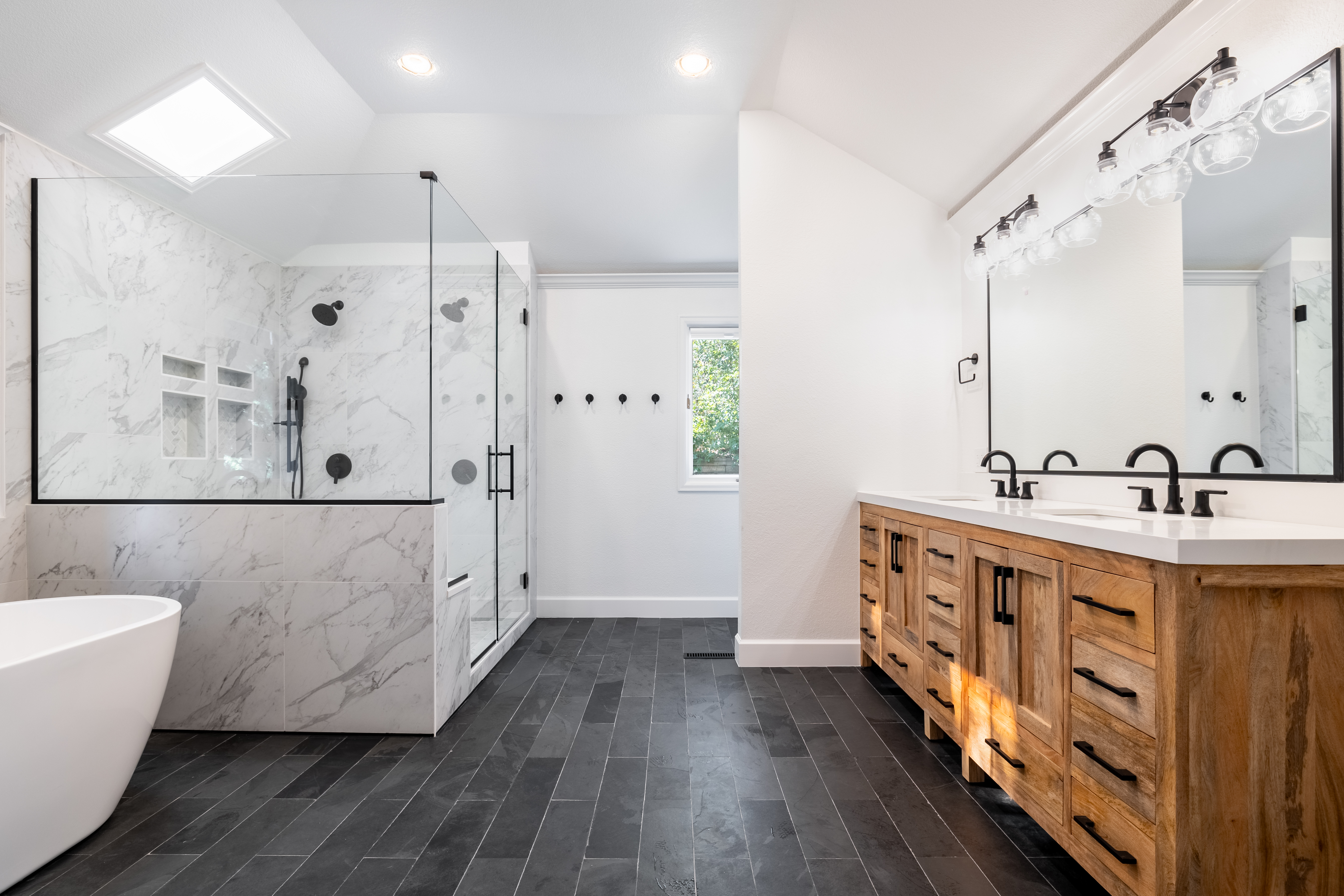
Allowances are a common source of confusion. If a bathroom tile allowance assumes a basic material and the client selects hand-cut stone, the budget will change. That does not mean anyone acted improperly, but it does mean the original allowance must be understood. The same applies to plumbing fixtures, decorative lighting, appliances, hardware, and specialty finishes.
Contingency is another mark of maturity. In renovations, especially older homes and commercial retrofits, some contingency is not pessimism. It is professionalism. Hidden conditions are part of the terrain. The goal is not to eliminate all uncertainty, which is impossible, but to manage it intelligently.
Value engineering should also be handled carefully. Poor value engineering strips character from a project. Thoughtful value engineering preserves the experience while adjusting the method. For example, a custom millwork wall might be simplified internally while keeping the same visible proportions. A stone selection might shift from a rare slab to a more available material with similar movement. Lighting control zones might be rationalized without sacrificing ambiance. The art lies in knowing what the client will feel every day and what they will never notice.
Craft, coordination, and the quiet discipline of sequencing
Construction looks physical, and it is, but the intellectual work of sequencing often determines the outcome. The order in which tasks happen affects cost, quality, and schedule. If walls close before proper inspections, they may need to open again. If flooring arrives before the environment is controlled, materials can suffer. If millwork measurements happen before drywall and tile are complete, fit issues follow. If painters start before dust-producing work is finished, the final coat will never have the crispness expected in a luxury space.
Experienced building contractors Denver clients respect tend to be rigorous about this rhythm. They know when a project should move quickly and when speed will damage quality. Concrete needs curing time. Wood needs acclimation. Waterproofing deserves patience. Cabinet installation requires clean conditions and stable humidity. Final punch work cannot be rushed through a dusty site and still feel refined.
The best superintendents notice small things early. A drain that is slightly off center. A switch bank that conflicts with casing. A ceiling register that interrupts a lighting layout. A door swing that technically works but feels awkward. These details are inexpensive to correct when caught early and frustrating when discovered after finishes.
Coordination also depends on respect among trades. High-end construction is a team sport. Framers set the stage for drywall. Drywall affects trim. Trim affects paint. Mechanical trades affect ceilings, soffits, and noise. Tile setters depend on substrate quality. Every trade inherits the work before it and influences the work after it. Strong Colorado general contractors create a site culture where craftsmanship is expected and problems are raised rather than concealed.
Permitting, codes, and Denver’s local realities
Denver’s permitting environment requires patience and familiarity. Requirements vary depending on project type, location, scope, and jurisdiction. Work in the City and County of Denver differs from work in nearby municipalities such as Lakewood, Aurora, Englewood, Arvada, Littleton, Centennial, or Boulder. Even within Denver, zoning overlays, historic districts, right-of-way considerations, and use changes can alter the path.
A residential addition may trigger zoning review, bulk plane considerations, structural engineering, energy compliance, and stormwater questions. A commercial change of use may require deeper analysis than a simple cosmetic remodel. Restaurant work can involve mechanical, plumbing, electrical, fire, health, and accessibility reviews. Office renovations may require life safety coordination, exit path compliance, and fire alarm adjustments.
None of this should intimidate an owner, but it should be respected. Contractors in Colorado who work regularly across jurisdictions understand that successful permitting is not a matter of dropping off drawings and hoping. It requires complete documents, prompt responses, and realistic scheduling.
Inspections deserve the same respect. A failed inspection is not always catastrophic, but repeated failures suggest poor preparation. Good Denver general contractors build inspection milestones into the schedule and make sure the work is ready before the inspector arrives. That kind of discipline protects momentum.
Occupied renovations require a different temperament
Some projects happen in empty spaces. Others unfold around daily life or active business operations. Occupied renovations demand more than construction skill. They require discretion, cleanliness, communication, and empathy.
In a home, that may mean creating dust barriers, protecting floors, setting work hours, maintaining safe paths, and planning utility shutoffs around the family’s schedule. For a luxury residence, site protection should be treated as part of the work, not an afterthought. Ram board, zipper walls, air filtration, careful staging, and end-of-day cleanup can change the entire experience for the homeowner.
In an office or commercial space, https://holdenyukv631.raidersfanteamshop.com/the-role-of-general-contract-providers-denver-carbon-monoxide-in-successful-improvements phasing becomes even more important. A law firm may need conference rooms available during business hours. A boutique may want to remain open while a back area is remodeled. A medical office may need infection-control measures and strict separation between patients and construction. A restaurant may schedule work between service periods or during a planned closure.
These situations test communication. The contractor should not surprise the owner with a noisy demolition activity during an important client event. The owner should not learn at 7 a.m. That water will be shut off at 9 a.m. Thoughtful Denver contractor services include proactive notices, clear weekly updates, and a realistic understanding of how construction affects people beyond the jobsite.
Choosing among Denver general contractors
Selecting a contractor is partly about qualifications and partly about fit. Price matters, but it should never be the only measure. The lowest proposal can become the most expensive if it omits scope, relies on weak allowances, lacks supervision, or creates delays. The highest proposal is not automatically the best either. What matters is alignment between project complexity, contractor capability, communication style, and financial transparency.
When evaluating general contractors Denver property owners should look beyond polished photos. Beautiful images are useful, but they do not reveal how the project felt to live through. Ask how the contractor handles changes, documents decisions, protects finished work, manages subcontractors, and communicates problems. Listen for specificity. Vague confidence is easy. Detailed process is harder to fake.
A strong contractor should be comfortable discussing:
- Similar projects completed in Denver or nearby Colorado markets
- Licensing, insurance, safety practices, and trade relationships
- Preconstruction process, estimate format, and allowance structure
- Schedule management, communication cadence, and site supervision
- Warranty approach and post-completion support
References matter, especially for projects of similar scale and character. A contractor who excels at quick cosmetic turnovers may not be right for a complex custom home. A builder known for ground-up commercial work may not be the best fit for a delicate historic renovation. The phrase contractors in Denver covers a broad field, and specialization matters.
Brand searches such as Denver Contractors RKG Contracting or RKG Contracting General Contractors Denver often appear when clients are trying to compare local options. That research is sensible, but the deeper question remains the same for any firm: does the contractor have the people, process, judgment, and trade network to deliver the specific project in front of them?
Homes, offices, and commercial spaces need different instincts
The same license may cover a wide range of construction, but the instincts required are not identical. A home remodel is intimate. The contractor works inside someone’s personal life, around routines, memories, preferences, and expectations that may not be written on the drawings. Trust is built through care. The homeowner notices how the crew treats the property, whether calls are returned, and whether the site feels controlled.
An office project is organizational. Decisions may involve executives, facilities teams, employees, designers, IT consultants, landlords, and brokers. The contractor must manage communication without letting the process sprawl. The work has to support productivity and brand presence while respecting lease obligations and business deadlines.
A commercial project is operational. The contractor must understand revenue implications, customer movement, code requirements, equipment coordination, and durability. Every day of delay can carry measurable cost. Every poor detail can affect the customer’s impression.
Denver general contractor teams that move comfortably among these project types tend to have mature systems. They do not rely on improvisation alone. They document decisions, manage procurement, schedule inspections, coordinate trades, and maintain quality control from demolition through closeout.
Materials that behave well in Colorado
Material selection in Colorado deserves local knowledge. Denver’s altitude, ultraviolet exposure, dry climate, and temperature swings can affect performance. Exterior materials need careful detailing. Wood expands and contracts. Sealants must be chosen and maintained correctly. Stucco, siding, masonry, roofing, and flashing details should be handled with respect for moisture movement and freeze-thaw cycles.
Inside, the environment is more controlled but not immune. Wide-plank flooring may require humidity management. Fine millwork should be acclimated properly. Natural stone needs appropriate sealing and maintenance guidance. Large glass openings can create solar gain, so glazing, shading, and HVAC coordination matter. Radiant heat, fireplaces, steam showers, and wine storage add comfort but require technical precision.
For offices and commercial spaces, material durability and maintenance often shape long-term satisfaction. A pale fabric wallcovering may photograph beautifully and fail quickly in a high-traffic corridor. A soft stone floor may not suit a restaurant entry exposed to winter grit. Matte black hardware may show wear differently depending on use and quality. An experienced contractor will not dictate taste, but will explain consequences.
That advisory role is part of quality contracting services Denver clients should expect. A contractor should protect the design while helping the owner avoid materials that are wrong for the application.
The luxury of a well-run jobsite
A well-run jobsite has a feeling. It is not silent or spotless, because construction is inherently active, but it feels intentional. Materials are stored properly. Walkways are clear. Drawings are current. Trades know where they should be. Questions are tracked. Finished surfaces are protected. Visitors are not wandering through hazards. The superintendent understands what happened yesterday and what must happen tomorrow.
Clients may not know every technical detail, but they can sense order. That order reduces stress. It also improves craftsmanship. People do better work when the site is controlled, the schedule is coherent, and expectations are clear.
Luxury contracting is often mistaken for premium finishes alone. In practice, the true luxury is confidence. Confidence that the contractor will call before an issue becomes a crisis. Confidence that the budget is being watched. Confidence that the designer’s intent is not being diluted. Confidence that the finished space will be worthy of the investment.
Denver contractors services at the higher end should include closeout discipline as well. Final inspections, punch lists, owner training, equipment manuals, warranty information, lien releases, and as-built documentation all matter. The last five percent of a project has an outsized effect on how the whole experience is remembered. A missing dimmer setting, a loose handle, an unbalanced HVAC register, or an unresolved paint touch-up can sour an otherwise excellent project.
When speed matters, and when it should not
Every client wants momentum. No one enjoys a project that drifts. Still, speed has to be handled intelligently. Some tasks can be accelerated with better staffing, early procurement, or overlapping phases. Others resist compression. Waterproofing, inspections, fabrication, curing, and acclimation operate on their own terms.
A contractor who promises an unrealistic schedule may win the first meeting and lose the project later. A better Denver general contractor will explain where time can be saved and where it should be protected. For example, ordering long-lead items before demolition may preserve weeks. Finalizing tile and plumbing selections early may prevent rough-in conflicts. Assigning sufficient manpower to framing and drywall can move the schedule. But rushing a shower pan test or installing wood flooring before conditions are right is false economy.
The right schedule is neither lazy nor reckless. It is ambitious within the limits of quality.
Why local relationships still matter
Construction depends on relationships. Not in a casual or old-fashioned sense, but in the practical reality of getting skilled people to show up, solve problems, and stand behind their work. Strong general contract services Denver CO clients value are built on trusted subcontractors, responsive suppliers, knowledgeable inspectors, and design professionals who can collaborate without ego.
In busy markets, the best trades are selective. They prefer organized contractors who provide clear scopes, clean sites, timely payment, and realistic schedules. That means reputable Colorado general contractors often have access to better teams. The client may never see the years of relationship-building behind that access, but they benefit from it.
Local knowledge also helps with procurement. A contractor familiar with Denver suppliers may know which showroom can source a replacement fixture quickly, which millwork shop is best suited for a particular level of detail, or which stone fabricator can handle a complex bookmatch. These practical advantages rarely appear in a proposal, but they influence outcomes.
A finished space should feel inevitable
The best projects reach a point where the construction disappears. A guest does not think about the steel that opened a wall, the ductwork hidden in a ceiling, the waterproofing behind the tile, or the weeks spent coordinating millwork reveals. They simply feel that the space is right.
For a home, that might mean a kitchen where morning light lands across stone counters and every cabinet serves a purpose. For an office, it might mean a reception area that communicates confidence before a meeting begins. For a commercial space, it might mean guests move naturally, staff work efficiently, and the brand feels present without shouting.
That kind of result is not accidental. It comes from experienced planning, disciplined execution, and the steady judgment of a contractor who understands both construction and atmosphere. Among contractors in Colorado, the firms that endure are the ones that treat each project as a built promise. They know that walls, floors, ceilings, and finishes are only the visible part. Beneath them are decisions, standards, and habits.
Denver rewards that level of care. The city’s homes deserve renovations that honor their character while improving daily life. Its offices deserve environments that make work feel purposeful. Its commercial spaces deserve construction that supports ambition, revenue, and reputation. With the right Denver general contractors, a project becomes more than a sequence of trades. It becomes a carefully managed transformation, one that carries the weight, polish, and permanence the investment deserves.
RKG Contracting
575 E 49th Ave, Denver, CO 80216
Phone (720) 477-4757
Find us on https://www.instagram.com/rkgcontracting.colorado/
https://www.foxnews.com/search-results/search#q=https%3A%2Fheavyhanded.la%2F